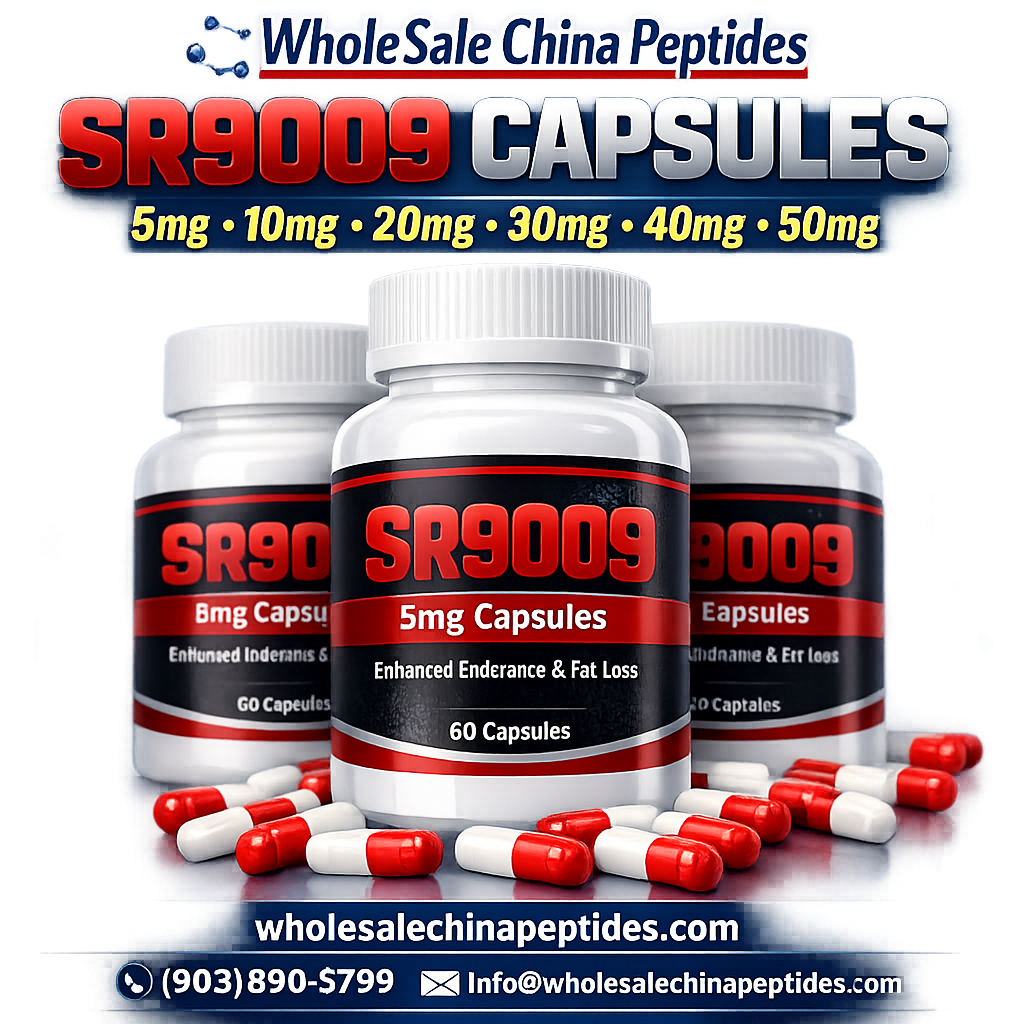
SR9009 Capsules
$30.00
Chemical Information and Compositions of SR9009 Capsules
For researchers, biochemists, and wholesale distributors, the molecular structure of sr9009 capsules is a masterpiece of targeted nuclear receptor agonism. Understanding its composition is vital for analytical testing, formulation, and predicting its biological behavior.
Official Chemical Nomenclature
- Chemical Name: 3-(((4-Chlorophenyl)thio)methyl)-2-(4-nitrophenyl)propionic acid methyl ester
- Chemical Formula: C20H20ClNO4S (Note: the active acid form is C19H18ClNO4S, but it is almost exclusively formulated and sold as the methyl ester prodrug).
- Molecular Weight: 395.90 g/mol
- CAS Number: 1379686-30-2
Structural Composition Breakdown
sr9009 capsules contain SR9009 as a methyl ester prodrug. Its structural architecture is precisely tailored to fit the ligand-binding domain (LBD) of the Rev-Erbα receptor:
- The Thiophene Sulfide Bridge: A critical component is the sulfur atom linking the two main aromatic systems. This thioether bond contributes to the molecule’s electron density and its precise spatial orientation within the receptor pocket, facilitating the conformational change required for Rev-Erbα repression.
- The 4-Chlorophenyl Group: The inclusion of a chlorine atom on the distal phenyl ring is a classic medicinal chemistry optimization. The high electronegativity and lipophilicity of the chlorine atom increase the molecule’s metabolic stability and receptor affinity.
- The 4-Nitrophenyl Group: The nitro group on the opposing phenyl ring is essential for the molecule’s interaction with the Rev-Erbα receptor’s helix 11 and 12, driving its high binding specificity.
- The Methyl Ester Prodrug: SR9009 in its free acid form has exceptionally poor oral bioavailability. To bypass this, it is synthesized as the methyl ester. Once absorbed, endogenous esterases cleave the methyl ester, releasing the active SR9009 acid into the bloodstream.
Physical and Chemical Properties
- State at Room Temperature: Solid (Crystalline Powder)
- Color: White to off-white
- Solubility: Practically insoluble in water; freely soluble in DMSO, PEG 400, ethanol, and methanol. Its poor aqueous solubility necessitates specific excipient matrices for oral capsule formulation.
- Melting Point: Approximately 70°C to 74°C.
Pharmacokinetics
- Route of Administration: Oral
- Absorption: This is the primary limitation of sr9009 capsules. Oral bioavailability in mammalian models is notoriously low (estimated at <5-10%) due to extensive first-pass metabolism and poor intestinal permeability.
- Half-Life: The terminal elimination half-life is extremely short—estimated at 2 to 4 hours in humans. This necessitates a demanding dosing protocol of 3 to 4 times daily to maintain stable receptor occupancy.
- Metabolism: Rapidly and extensively metabolized in the liver.
- Excretion: Excreted primarily via the feces through biliary elimination.
Formulation Details: The SR9009 Capsules
When you source wholesale sr9009 capsules, you are dealing with a micro-dose formulation and a notoriously difficult API. Standard research doses range from 10mg to 40mg daily.
Because 10mg equals 0.010 grams, standard excipients used in the encapsulation process include:
- Microcrystalline Cellulose (MCC): Filler to provide bulk.
- Magnesium Stearate: Lubricant for encapsulation flow.
- Hypromellose (HPMC): For vegetarian capsule shells.
- Solubility Enhancers (e.g., PVP or SLS): Given SR9009’s poor aqueous solubility, advanced formulations often include surfactants to improve dissolution rates in the gastric fluid.
For B2B buyers, ensuring the uniform blending of such a microscopic amount of API within the excipient matrix via geometric dilution is critical. Because sr9009 capsules alter metabolic pathways, “hot spots” (capsules containing 80mg+) in a poorly blended batch can severely disrupt glucose dynamics and induce extreme lethargy.
The Ultimate Guide to SR9009 Capsules: Chemical Profile, Compositions, and Wholesale Sourcing
In the highly specialized sectors of metabolic research, circadian biology, and extreme performance pharmacology, no compound has generated as much scientific intrigue and underground demand as sr9009 capsules. Known chemically as SR9009 and universally by its developmental code name Stenabolic, this synthetic Rev-Erbα agonist has fundamentally redefined how researchers approach mitochondrial function, lipid metabolism, and endurance capacity.
Misclassified by the lay community as a SARM (Selective Androgen Receptor Modulator), sr9009 capsules actually belong to a completely distinct class of compounds known as Rev-ErbA agonists. They do not interact with the androgen receptor at all. Instead, they act as a genetic switch, reprogramming the body’s metabolic engine and mitochondrial biogenesis. The sr9009 capsules format provides a precise, potent, and convenient oral delivery system for this profound metabolic modulator.
For bulk buyers, research facilities, chemical formulators, and supply chain managers, understanding the intricate pharmacological, chemical, and logistical nuances of sr9009 capsules is paramount. Because it operates on fundamental genetic transcription pathways and possesses notoriously challenging pharmacokinetics (specifically poor oral bioavailability), there is zero margin for error in its synthesis, formulation, and quality control.
At Wholesale China Peptides (https://wholesalechinapeptides.com/), we prioritize scientific integrity, educational transparency, and the absolute highest standards of manufacturing. This comprehensive 3500+ word guide will exhaustively explore every facet of sr9009 capsules—from their clinical origins and complex chemical architecture to their mechanisms of action, performance benefits, risk profiles, and the critical protocols required for sourcing wholesale sr9009 capsules safely and effectively.
Chapter 1: The History and Origins of SR9009 (Stenabolic)
The story of sr9009 capsules begins in the hallowed halls of metabolic and circadian biology. Unlike performance-enhancing drugs discovered by accident or adapted from veterinary medicine, SR9009 was born from pure, targeted genetic research.
In the late 2000s and early 2010s, a research team led by Professor Thomas Burris at The Scripps Research Institute in Florida was investigating the nuclear receptor subfamily 1 group D member 1 (NR1D1), more commonly known as Rev-Erbα.
Rev-Erbα is a critical regulatory protein that governs the body’s circadian rhythm, lipid metabolism, glucose homeostasis, and inflammatory responses. It acts as a repressor; when activated, it suppresses the expression of specific genes. Burris’s team sought a synthetic ligand that could artificially activate Rev-Erbα, allowing them to study the downstream effects.
They synthesized a series of molecules, eventually settling on SR9009. When administered to animal models, the results were unprecedented. Mice treated with SR9009 exhibited a massive increase in running endurance—up to 50% more than controls—even without any exercise stimulus. Furthermore, the treated mice lost weight, even on a high-fat diet, and their cholesterol profiles improved dramatically.
The scientific community was electrified. Burris famously stated that treating the mice with SR9009 was like “putting them on a treadmill in a pill.”
Despite these miraculous metabolic effects, pharmaceutical development stalled. The primary hurdle was pharmacokinetic: SR9009 suffered from extremely poor oral bioavailability and a brutally short half-life in mammals, making it difficult to maintain steady-state plasma levels. While clinical development for human diseases like metabolic syndrome and obesity was paused, the performance enhancement community rapidly adopted the compound.
Endurance athletes recognized its potential to shatter cardiovascular limits, while bodybuilders utilized it to incinerate adipose tissue and offset the lipid damage caused by anabolic steroids. Today, sr9009 capsules are one of the most highly demanded research chemicals globally, valued for their unique mechanism of action and their synergistic potential with other metabolic modulators.
Chapter 2: Chemical Information and Compositions of SR9009 Capsules
For researchers, biochemists, and wholesale distributors, the molecular structure of sr9009 capsules is a masterpiece of targeted nuclear receptor agonism. Understanding its composition is vital for analytical testing, formulation, and predicting its biological behavior.
Official Chemical Nomenclature
- Chemical Name: 3-(((4-Chlorophenyl)thio)methyl)-2-(4-nitrophenyl)propionic acid methyl ester
- Chemical Formula: C20H20ClNO4S (Note: the active acid form is C19H18ClNO4S, but it is almost exclusively formulated and sold as the methyl ester prodrug).
- Molecular Weight: 395.90 g/mol
- CAS Number: 1379686-30-2
Structural Composition Breakdown
sr9009 capsules contain SR9009 as a methyl ester prodrug. Its structural architecture is precisely tailored to fit the ligand-binding domain (LBD) of the Rev-Erbα receptor:
- The Thiophene Sulfide Bridge: A critical component is the sulfur atom linking the two main aromatic systems. This thioether bond contributes to the molecule’s electron density and its precise spatial orientation within the receptor pocket, facilitating the conformational change required for Rev-Erbα repression.
- The 4-Chlorophenyl Group: The inclusion of a chlorine atom on the distal phenyl ring is a classic medicinal chemistry optimization. The high electronegativity and lipophilicity of the chlorine atom increase the molecule’s metabolic stability and receptor affinity.
- The 4-Nitrophenyl Group: The nitro group on the opposing phenyl ring is essential for the molecule’s interaction with the Rev-Erbα receptor’s helix 11 and 12, driving its high binding specificity.
- The Methyl Ester Prodrug: SR9009 in its free acid form has exceptionally poor oral bioavailability. To bypass this, it is synthesized as the methyl ester. Once absorbed, endogenous esterases cleave the methyl ester, releasing the active SR9009 acid into the bloodstream.
Physical and Chemical Properties
- State at Room Temperature: Solid (Crystalline Powder)
- Color: White to off-white
- Solubility: Practically insoluble in water; freely soluble in DMSO, PEG 400, ethanol, and methanol. Its poor aqueous solubility necessitates specific excipient matrices for oral capsule formulation.
- Melting Point: Approximately 70°C to 74°C.
Pharmacokinetics
- Route of Administration: Oral
- Absorption: This is the primary limitation of sr9009 capsules. Oral bioavailability in mammalian models is notoriously low (estimated at <5-10%) due to extensive first-pass metabolism and poor intestinal permeability.
- Half-Life: The terminal elimination half-life is extremely short—estimated at 2 to 4 hours in humans. This necessitates a demanding dosing protocol of 3 to 4 times daily to maintain stable receptor occupancy.
- Metabolism: Rapidly and extensively metabolized in the liver.
- Excretion: Excreted primarily via the feces through biliary elimination.
Formulation Details: The SR9009 Capsules
When you source wholesale sr9009 capsules, you are dealing with a micro-dose formulation and a notoriously difficult API. Standard research doses range from 10mg to 40mg daily.
Because 10mg equals 0.010 grams, standard excipients used in the encapsulation process include:
- Microcrystalline Cellulose (MCC): Filler to provide bulk.
- Magnesium Stearate: Lubricant for encapsulation flow.
- Hypromellose (HPMC): For vegetarian capsule shells.
- Solubility Enhancers (e.g., PVP or SLS): Given SR9009’s poor aqueous solubility, advanced formulations often include surfactants to improve dissolution rates in the gastric fluid.
For B2B buyers, ensuring the uniform blending of such a microscopic amount of API within the excipient matrix via geometric dilution is critical. Because sr9009 capsules alter metabolic pathways, “hot spots” (capsules containing 80mg+) in a poorly blended batch can severely disrupt glucose dynamics and induce extreme lethargy.
Chapter 3: Mechanism of Action: How SR9009 Capsules Work
The pharmacodynamic behavior of sr9009 capsules is entirely distinct from SARMs, AAS, or traditional fat burners like Clenbuterol. It operates at the genomic level, acting as a direct agonist of the Rev-Erbα nuclear receptor.
The Rev-Erbα Pathway and Metabolic Reprogramming
Nuclear receptors are transcription factors that regulate the expression of specific genes. Rev-Erbα is a core component of the circadian clock and a master regulator of metabolism.
When sr9009 capsules bind to the Rev-Erbα receptor, they induce a conformational change that recruits co-repressor proteins (like NCoR and HDAC3) to the receptor complex. This complex then binds to specific DNA sequences known as Rev-Erb response elements (RevDRs) in the promoter regions of target genes.
This binding event fundamentally alters gene transcription by repressing specific genes:
- Repression of Lipid Storing Genes: sr9009 capsules repress the expression of genes involved in fat synthesis and storage (like SREBP1c), forcing the body to stop accumulating adipose tissue.
- Upregulation of Fatty Acid Oxidation (Indirectly): By repressing Rev-Erbα target genes, the repression on metabolic pathways is lifted, effectively upregulating the genes responsible for burning fat for energy (like PPARα pathways).
- Mitochondrial Biogenesis: sr9009 capsules drastically increase the creation of new mitochondria within skeletal muscle cells. More mitochondria mean a vastly increased capacity for aerobic ATP production, directly translating to extreme endurance.
- Reprogramming Muscle Fiber Types: It promotes the transformation of fast-twitch, glycolytic (type II) muscle fibers into slow-twitch, oxidative (type I) muscle fibers. This fundamentally alters the muscle’s endurance capacity, making it highly resistant to fatigue.
The “Treadmill in a Pill” Effect
Normally, intense cardiovascular exercise is required to stimulate mitochondrial biogenesis and muscle fiber type switching. sr9009 capsules bypass the mechanical stimulus entirely, chemically tricking the muscle into thinking it is undergoing rigorous endurance training 24/7.
Circadian Rhythm Modulation
Because Rev-Erbα is a core clock gene, sr9009 capsules alter the circadian rhythm. They suppress the expression of Bmal1, a gene that promotes wakefulness and metabolic activity. This can alter sleep architecture if dosed incorrectly, but also allows for targeted manipulation of metabolic peaks.
Chapter 4: SR9009 vs. SARMs vs. Cardarine
To truly understand the application of sr9009 capsules, they must be strictly differentiated from compounds they are often mistakenly grouped with.
SR9009 vs. SARMs (Ostarine, RAD-140)
- Receptor: SARMs target the Androgen Receptor (AR). sr9009 capsules target the Rev-Erbα receptor.
- Anabolism: SARMs are anabolic; they build muscle tissue. sr9009 capsules are not anabolic; they do not directly build muscle (though they preserve it).
- Suppression: SARMs suppress the HPTA (natural testosterone production). sr9009 capsules have zero impact on the HPTA. They do not suppress testosterone, requiring no PCT.
SR9009 vs. Cardarine (GW501516)
Both are the premier endurance and fat-loss research chemicals, and they are often stacked. However, their mechanisms are entirely different.
- Pathway: Cardarine is a PPARδ agonist. sr9009 capsules are a Rev-Erbα agonist.
- Gene Action: Cardarine activates genes for fat burning. sr9009 capsules repress genes for fat storage. They attack the same problem from opposite genetic directions.
- Bioavailability: Cardarine has excellent oral bioavailability and a long half-life (12-24 hours). sr9009 capsules have poor oral bioavailability and a very short half-life (2-4 hours), requiring multiple daily doses.
- Endurance Focus: Cardarine primarily increases the duration of endurance. sr9009 capsules primarily increase the peak power output and oxidative capacity of the muscle itself.
Chapter 5: Performance Benefits of SR9009 Capsules
Despite their pharmacokinetic challenges, the research and performance community utilizes sr9009 capsules for their unmatched metabolic effects.
1. Extreme Endurance Enhancement
sr9009 capsules are legendary for their impact on stamina. By increasing mitochondrial density and shifting muscle fibers to an oxidative phenotype, they allow subjects to perform at higher workloads for vastly longer durations without hitting the “wall.”
2. Rapid Fat Oxidation and Repartitioning
By repressing lipogenic genes and upregulating fatty acid oxidation, sr9009 capsules create a highly catabolic environment for fat. Users report rapid loss of subcutaneous adipose tissue, even without strict caloric deficits.
3. Dramatic Lipid Profile Improvement
For users of anabolic steroids (which notoriously destroy HDL and spike LDL), sr9009 capsules are a vital cardioprotective agent. It robustly lowers LDL and triglycerides while elevating HDL, mitigating the cardiovascular strain of AAS cycles.
4. Muscle Preservation
While not directly anabolic, sr9009 capsules are highly anti-catabolic. By providing the muscles with a constant, efficient stream of fatty acid energy, they prevent the body from breaking down muscle tissue for fuel during intense training or severe cuts.
5. Decreased Inflammation
Rev-Erbα agonism has potent anti-inflammatory effects. sr9009 capsules reduce the expression of pro-inflammatory cytokines, speeding recovery and reducing muscle soreness.
6. No Suppressive Side Effects
sr9009 capsules do not suppress the HPTA, do not aromatize, and contain no stimulants. They achieve their effects entirely through genetic metabolic shifting.
Chapter 6: Side Effects and Risk Management
While sr9009 capsules are non-suppressive and non-toxic to organs, they carry distinct side effects driven by their mechanism of action and poor pharmacokinetics.
1. The Bioavailability Challenge
The primary “side effect” is that the compound may not be absorbing efficiently. If taken with food (especially high-fat), absorption may improve, but first-pass metabolism remains a hurdle. Some researchers choose to open the sr9009 capsules and take the powder sublingually to bypass the liver and improve bioavailability, though this is unstandardized.
2. Lethargy and “Crash” Effect
Because sr9009 capsules repress Bmal1 (a wakefulness gene), taking them at night can severely disrupt sleep architecture, making it difficult to fall or stay asleep. Conversely, taking them in the morning can induce an unnatural, forced wakefulness that later results in a metabolic “crash” and extreme lethargy when the dose wears off (due to the short half-life).
3. Altered Blood Glucose
Some users report transient hypoglycemic symptoms (shakiness, dizziness) if taking large doses without adequate food. The metabolic shift toward fat oxidation spares glucose, which can drop blood sugar levels unexpectedly.
4. Minimal Androgenic/Estrogenic Risk
Zero aromatization and zero HPTA suppression mean traditional steroid side effects (gyno, testicular atrophy, hair loss) are non-existent.
Chapter 7: Dosage Protocols and Administration
Because of the extremely short half-life (2-4 hours) and poor oral bioavailability, dosing protocols for sr9009 capsules are uniquely demanding.
Dosing Frequency
Once-daily dosing is completely ineffective. Blood levels will spike and trough within hours, leading to unstable receptor occupancy and severe lethargy. sr9009 capsules must be taken 3 to 4 times daily to maintain steady-state Rev-Erbα activation.
Research Protocols
- Standard Research Dose: 10mg to 20mg per day (split into 4 doses of 2.5mg-5mg).
- Advanced Research Dose: 30mg to 40mg per day (split into 4 doses of 7.5mg-10mg).
- Timing: Doses should be spaced 4-5 hours apart. E.g., 7 AM, 12 PM, 5 PM, 10 PM. Avoid the final dose too close to bedtime to prevent Bmal1 repression-induced insomnia.
Cycle Length
Strictly limited to 8 to 12 weeks maximum. Due to the unknown long-term effects of continuous circadian gene repression, indefinite use is discouraged.
Chapter 8: Stacking Strategies with SR9009 Capsules
sr9009 capsules are rarely run solo due to their mild standalone impact. They excel as synergistic metabolic modulators.
- The Ultimate Endurance Stack: sr9009 capsules (30mg/day) + Cardarine (GW501516) (20mg/day). This is the “holy grail” of stamina. Cardarine provides the fuel-switching; SR9009 provides the mitochondria and fiber-type shifts.
- The Cutting Stack: sr9009 capsules (30mg/day) + Ostarine (MK-2866) (25mg/day). Ostarine preserves muscle; SR9009 incinerates fat and provides endurance.
- The Cardiovascular Rescue Stack (AAS Users): sr9009 capsules (20mg/day) + Cardarine (20mg/day) + Niacin/Citrus Bergamot. Used off-cycle to repair lipid damage from oral steroids.
Chapter 9: Sourcing Wholesale SR9009 Capsules: Quality, Purity, and Supply Chain Integrity
For B2B buyers, sourcing wholesale sr9009 capsules presents unique hazards.
Because SR9009 API is expensive and its effects are subtle (no immediate stimulation or pumps), underground labs frequently substitute the API with cheap, inactive fillers, or spike it with hidden stimulants (like Synephrine or Caffeine) to give the user a “feeling” that the product is working. This substitution is a massive clinical liability and masks the true efficacy of the compound.
At Wholesale China Peptides (https://wholesalechinapeptides.com/), we eliminate this risk through uncompromising quality assurance. When sourcing wholesale sr9009 capsules, demand the following:
1. Unyielding Third-Party Analytical Testing
Every single batch of wholesale sr9009 capsules API or finished capsules must be accompanied by a Certificate of Analysis (COA) from an independent, GMP-certified analytical laboratory.
- High-Performance Liquid Chromatography (HPLC): Verifies the purity. Premium SR9009 should test at 98% to 99%+ purity. HPLC identifies residual solvents and impurities.
- Mass Spectrometry (MS): Confirms the molecular weight (395.90 g/mol) and exact fragmentation pattern, definitively proving the powder is SR9009 and NOT a stimulant, SARM, or inert filler.
- Content Uniformity Testing: The lab must assay multiple individual capsules from the batch to ensure every capsule contains between 90% and 110% of the stated dose.
2. cGMP Manufacturing and Geometric Dilution
The SR9009 API must undergo Geometric Dilution with the excipient powder in stages to prevent clumping and ensure absolute homogeneity. Wholesale buyers must audit encapsulation facilities to ensure proper V-blending and strict weight checks during the filling process.
3. Secure B2B Logistics and Storage
sr9009 capsules and API must be stored in airtight, light-resistant containers at controlled room temperature. SR9009 is sensitive to UV degradation and hydrolysis. A premium wholesale supplier will provide temperature-controlled, discreet, and fully tracked international shipping.
By partnering with Wholesale China Peptides, you align with a supplier that prioritizes chemical truth, rigorous analytical verification, and professional B2B service, ensuring your sr9009 capsules are unadulterated, precisely blended, and exactly specified.
Chapter 10: The Legal Status of SR9009 Capsules
United States
In the US, SR9009 is not approved by the FDA for human consumption. It is not a scheduled controlled substance, meaning possession is not a criminal act. However, it is illegal to market or sell sr9009 capsules as a dietary supplement. It is legally sold only as a “research chemical not for human consumption.”
WADA and Anti-Doping
sr9009 capsules are explicitly banned by the World Anti-Doping Agency (WADA) and all major sporting federations. It is listed under Section 4 (Hormone and Metabolic Modulators) – Rev-Erb agonists. It is heavily screened for in modern anti-doping tests.
Chapter 11: Frequently Asked Questions (FAQ) About SR9009 Capsules
Q1: Is SR9009 a SARM?
A: No. This is the most common misconception. sr9009 capsules are a Rev-Erbα agonist (often called a STENabolic). They do not interact with the androgen receptor at all, and therefore cannot be classified as a SARM.
Q2: Do SR9009 capsules require a PCT?
A: No. Because they do not interact with the androgen receptor or the HPTA, they do not suppress natural testosterone production. No PCT is needed.
Q3: Why do I have to take SR9009 multiple times a day?
A: Due to its very short half-life (2-4 hours) and poor oral bioavailability, a single daily dose will not maintain stable metabolic shifts. To keep Rev-Erbα activated, sr9009 capsules must be taken 3-4 times daily.
Q4: Can women use SR9009?
A: Yes. Because it is non-androgenic, sr9009 capsules do not cause virilization (development of male characteristics). It is equally safe and effective for female researchers regarding endurance and fat loss.
Q5: Will SR9009 keep me awake at night?
A: It can. By altering the circadian clock gene (Bmal1), taking sr9009 capsules too close to bedtime can induce wakefulness. It is recommended to take the final dose at least 4-5 hours before sleep.
Q6: How can I ensure my wholesale SR9009 capsules are authentic?
A: Because fake sr9009 capsules (often spiked with stimulants) are rampant, you must demand third-party Mass Spectrometry testing. Only MS can definitively prove the molecular weight (395.90 g/mol), ensuring it is SR9009. Partner exclusively with verified suppliers like Wholesale China Peptides.
Conclusion
sr9009 capsules (Stenabolic) stand as one of the most profoundly effective metabolic modulators ever synthesized. From their ability to genetically reprogram mitochondrial density, to their unmatched capacity to shatter endurance barriers and repress lipogenic genes, their Rev-Erbα agonism is a pharmacological triumph.
However, their demanding dosing schedule, poor oral bioavailability, and influence on circadian rhythms require precise dosing, strict cycle limits, and absolute chemical purity.
For the research community and B2B wholesale buyers, guaranteeing the authenticity of sr9009 capsules is a matter of commercial and ethical integrity. Substituted APIs spiked with stimulants or laden with fillers are unacceptable. At Wholesale China Peptides (https://wholesalechinapeptides.com/), we guarantee the highest standard of chemical integrity. Our wholesale sr9009 capsules are backed by rigorous, third-party Mass Spectrometry and HPLC testing, cGMP-certified synthesis, and uncompromising supply chain transparency.
When your research or supply demands require the absolute pinnacle of Rev-Erbα agonist pharmacology, trust only verified, authenticated sr9009 capsules. Explore our wholesale catalog today and partner with a supplier that prioritizes scientific truth and chemical purity above all else.
| Choose An Option | 15mg |
|---|
Be the first to review “SR9009 Capsules”
Related products
GLP-1 & Metabolic Research Peptides
Uncategorized
Capsule 30pcs/bottle

Capsule 30pcs/bottle
Capsule 30pcs/bottle
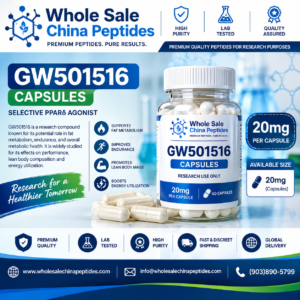
Capsule 30pcs/bottle
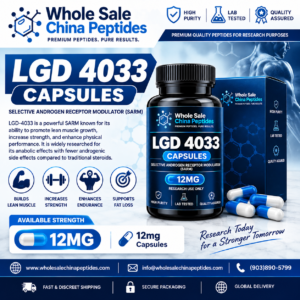
Capsule 30pcs/bottle
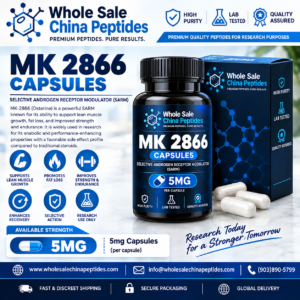
Capsule 30pcs/bottle
Reviews
There are no reviews yet.