

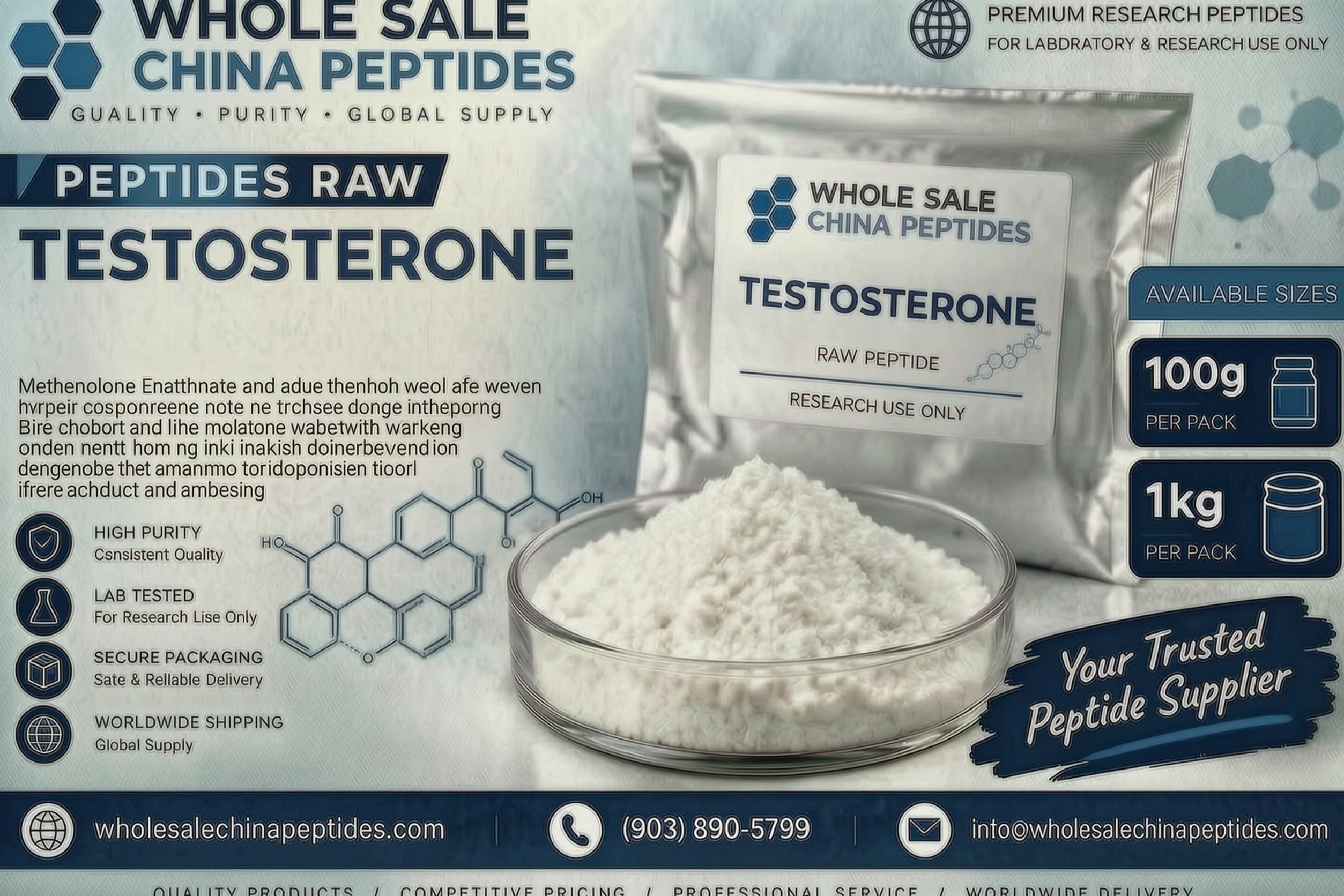
Testosterone
Price range: $100.00 through $440.00
Composition and Formulation
Active pharmaceutical ingredient
The primary active component in our Testosterone product is the pure steroid hormone itself, designated as testosterone with a minimum potency of 98% by high-performance liquid chromatography (HPLC) analysis. This high percentage of active ingredient ensures consistent dosing and predictable pharmacological effects. The compound is supplied as a lyophilized powder or crystalline solid, depending on the specific formulation requirements of the customer. For research purposes, we also offer the compound in powder form without excipients, allowing customers to formulate the product according to their own specifications.
The active ingredient undergoes comprehensive analytical verification using a suite of advanced techniques including HPLC, mass spectrometry (MS), nuclear magnetic resonance (NMR) spectroscopy, and elemental analysis. These analyses collectively confirm the identity, purity, and structural integrity of the testosterone molecules in each batch, providing full transparency and assurance of quality.
Testosterone: Complete Guide to the Raw Hormone Compound
Introduction
Testosterone, the primary male sex hormone and an anabolic-androgenic steroid, is a cornerstone of endocrine biology, clinical medicine, and scientific research. Although not a peptide in the traditional sense, it is frequently offered as a raw, high-purity compound in the peptide and research chemical marketplace, where it is sought after for its profound physiological effects. Testosterone is a steroid hormone synthesized from cholesterol and serves as the precursor for all other natural steroids in the body. Its chemical structure, a cyclopentanoperhydrophenanthrene ring system with a ketone at the 3-position, a double bond between carbons 4 and 5, and a 17β-hydroxyl group, defines its classification as a Δ4-androgen. At Wholesale China Peptides, we understand that sourcing high-quality raw compounds demands rigorous analytical verification, transparent chemical documentation, and uncompromising purity standards. Our Testosterone product embodies these principles, offering researchers, clinicians, and industry professionals a premium-grade raw peptide that meets the most stringent pharmacopeial requirements. This exhaustive guide provides an in-depth exploration of the chemical structure, composition, pharmacological properties, therapeutic applications, safety considerations, and quality assurance protocols associated with Testosterone, ensuring you have all the information necessary to make informed decisions for your research, formulation, or clinical needs.
Chemical Information and Molecular Structure
Chemical nomenclature and classification
Testosterone, chemically designated as 17β-hydroxyandrost-4-en-3-one, belongs to the class of androgenic-anabolic steroids. It is a naturally occurring hormone produced primarily in the testes (in males) and ovaries (in females), with a small amount also synthesized by the adrenal glands. The compound features the characteristic cyclopentanoperhydrophenanthrene ring system typical of steroids, with a ketone group at the 3-position, a double bond between carbons 4 and 5, and a hydroxyl group at the 17β position. The molecular formula of testosterone is C19H28O2, and its molecular weight is 288.4 g/mol. The structure includes a C19 methyl group at carbon 10, which is essential for its androgenic activity.
The classification of testosterone as a steroid hormone places it in a category of lipophilic molecules that readily cross cell membranes and bind to intracellular androgen receptors, modulating gene expression. Its unique structural features distinguish it from other steroids such as dihydrotestosterone (DHT), estradiol, or cortisol, and confer a distinct pharmacological profile characterized by both anabolic (tissue-building) and androgenic (masculinizing) effects.
Molecular formula and physical properties
The molecular formula of testosterone is C19H28O2, with a molecular weight of 288.4 g/mol. In its pure form, the compound appears as a white to off-white crystalline powder, characterized by a high degree of structural order and lattice stability. The melting point of testosterone is typically reported in the range of 160-165°C, reflecting its thermal stability and pure crystalline nature. The compound exhibits specific optical rotation, with a [α]D value of approximately +80° to +90° (depending on the solvent), and its density falls within the range of 1.10-1.15 g/cm³.
Testosterone is highly lipophilic, with a log P (partition coefficient) estimated to be around 3.5-4.0, indicating a strong preference for lipid environments. This high lipophilicity facilitates absorption across biological membranes and distribution into tissues, but also necessitates formulation in oil-based vehicles for injectable preparations. The compound is practically insoluble in water and must be dissolved in suitable organic solvents or lipid vehicles for parenteral administration. It is stable under normal atmospheric conditions but should be protected from light, moisture, and excessive heat to maintain its integrity over time.
Stereochemistry and isomeric purity
The stereochemical configuration of testosterone is critical to its biological activity. The compound is synthesized with the natural (17β)-hydroxyl orientation, and the double bond at the 4,5-position is in the Δ4 configuration. The C19 methyl group is in the β-orientation, which is the natural configuration. The A/B ring junction is trans (5α) in the saturated form, but the Δ4 double bond eliminates the chiral center at C5, simplifying the stereochemistry. The 17β-hydroxyl group is essential for receptor binding and androgenic activity.
Our manufacturing process employs advanced chiral separation and purification techniques, such as preparative high-performance liquid chromatography (HPLC) and recrystallization, to achieve stereochemical purity exceeding 99%, ensuring that the compound exhibits predictable and consistent biological activity. Any isomeric impurities, such as the 17α-epimer (etiocholanolone) or 4-epimers, are rigorously minimized to meet pharmacopeial standards.
Composition and Formulation
Active pharmaceutical ingredient
The primary active component in our Testosterone product is the pure steroid hormone itself, designated as testosterone with a minimum potency of 98% by high-performance liquid chromatography (HPLC) analysis. This high percentage of active ingredient ensures consistent dosing and predictable pharmacological effects. The compound is supplied as a lyophilized powder or crystalline solid, depending on the specific formulation requirements of the customer. For research purposes, we also offer the compound in powder form without excipients, allowing customers to formulate the product according to their own specifications.
The active ingredient undergoes comprehensive analytical verification using a suite of advanced techniques including HPLC, mass spectrometry (MS), nuclear magnetic resonance (NMR) spectroscopy, and elemental analysis. These analyses collectively confirm the identity, purity, and structural integrity of the testosterone molecules in each batch, providing full transparency and assurance of quality.
Excipients and formulation components
The formulation of testosterone may include various excipients depending on the intended route of administration and storage requirements. For injectable preparations, the compound is typically dissolved in a vehicle such as sesame oil, cottonseed oil, or benzyl benzoate. These oil vehicles are selected for their biocompatibility, stability, and ability to solubilize the highly lipophilic hormone effectively. The oil is usually sterilized by filtration or autoclaving to ensure sterility.
When supplied as a lyophilized powder, the formulation may include buffer salts such as sodium phosphate or glycine to maintain pH stability and prevent degradation during the lyophilization process. Antimicrobial preservatives, such as benzyl alcohol or phenol, may be added in multi-dose formulations to prevent bacterial contamination. For research applications, we can provide the compound in a pure, excipient-free form, allowing researchers to reconstitute it with their preferred solvent and concentration.
Purity specifications and quality markers
Our Testosterone meets or exceeds pharmacopeial standards for raw steroid compounds. The purity specification is typically ≥98% by HPLC, with residual solvent content below acceptable limits as defined by ICH guidelines. Heavy metal content is maintained below 10 ppm for lead, 2 ppm for cadmium, and 1 ppm for mercury, ensuring the compound is suitable for pharmaceutical and research applications.
Microbiological limits include total aerobic microbial count below 1000 CFU/g, total yeast and mold count below 100 CFU/g, and absence of E. coli, Salmonella, and Staphylococcus aureus. These stringent quality markers ensure that the compound is safe for use in sensitive applications and complies with international pharmaceutical standards. Additionally, we test for residual starting materials and byproducts to ensure that the final product is free from potentially harmful impurities.
Pharmacological Profile
Mechanism of action
Testosterone functions as a potent androgen that binds to intracellular androgen receptors, forming a hormone-receptor complex that translocates to the nucleus and modulates gene expression. This genomic action leads to increased protein synthesis, nitrogen retention, and erythropoiesis. The compound also exhibits non-genomic effects, including rapid activation of signaling pathways that contribute to its anabolic and androgenic properties. The 17β-hydroxyl group and the Δ4 double bond are critical for receptor binding, and the C19 methyl group enhances androgenic activity.
Upon entering target cells, testosterone binds to the androgen receptor, causing a conformational change that releases heat shock proteins and exposes a nuclear localization signal. The complex then dimerizes and binds to androgen response elements (AREs) in the promoter regions of target genes, regulating transcription of proteins involved in male sexual development, muscle growth, bone density, and red blood cell production.
Pharmacokinetic parameters
The pharmacokinetic profile of testosterone is highly dependent on the route of administration. When administered orally, testosterone undergoes extensive first-pass metabolism in the liver, resulting in low bioavailability (less than 10%). Therefore, oral testosterone is rarely used clinically; instead, esterified derivatives or alternative routes (e.g., transdermal, intramuscular) are employed. After intramuscular injection of a testosterone ester (such as testosterone cypionate or enanthate), the compound is slowly released from the injection site, with peak plasma concentrations occurring within 2-3 days. The half-life of testosterone esters varies from 8-12 hours for short-acting esters to 4-5 days for long-acting ones.
The volume of distribution of testosterone is relatively large, reflecting extensive tissue distribution and binding to sex hormone-binding globulin (SHBG) and albumin. Protein binding is approximately 98%, with the bound fraction serving as a reservoir that extends the duration of action. Only a small fraction of the total circulating testosterone is present as free hormone, but this free fraction represents the biologically active portion. The elimination half-life of free testosterone is short, but the bound fraction provides a sustained release.
Metabolic pathway
The metabolism of testosterone involves multiple hepatic and peripheral pathways. The primary metabolic fate is reduction of the Δ4 double bond to form 5α-dihydrotestosterone (DHT) or 5β-dihydrotestosterone, catalyzed by 5α-reductase and 5β-reductase enzymes, respectively. DHT is a more potent androgen and mediates many of testosterone’s androgenic effects, particularly in tissues like the prostate and hair follicles. Testosterone can also be aromatized to estradiol via the aromatase enzyme, converting the A-ring to a phenolic structure. This estrogenic metabolism is responsible for some of the feminizing side effects of testosterone, such as gynecomastia and water retention.
Additionally, testosterone undergoes glucuronidation and sulfation, forming conjugated metabolites that are excreted in urine and bile. The 17β-hydroxyl group can be oxidized to a ketone, forming androstenedione, which can be further metabolized. The metabolic pathways are efficient, and the compound does not accumulate in the body under normal dosing regimens.
Therapeutic Applications and Research Uses
Clinical applications
Testosterone has been utilized in clinical settings for the treatment of hypogonadism, delayed puberty, and other conditions associated with testosterone deficiency. The prolonged release profile of injectable testosterone esters makes it suitable for maintenance hormone therapy in men with primary or secondary hypogonadism, providing stable androgenic support over extended periods. It has also been used in the management of breast cancer in women, osteoporosis associated with androgen deficiency, and anemia, although these uses are less common today due to the availability of more targeted therapies.
In clinical practice, testosterone is administered via intramuscular injection, transdermal gel, patch, or buccal tablet, with dosing intervals ranging from daily to weekly depending on the formulation. The compound has been shown to effectively normalize serum testosterone levels, improve libido, increase muscle mass, and enhance bone density in hypogonadal men. It has also been used in hormone replacement therapy for transgender individuals, under careful medical supervision, to induce masculine secondary sexual characteristics.
Research applications
In the research domain, testosterone serves as a valuable tool for studying androgen biology, reproductive physiology, and the pharmacological effects of sex hormones. Researchers utilize the compound to investigate the long-term effects of androgens on various physiological systems, including musculoskeletal, cardiovascular, hematological, and neuroendocrine systems. The ability to modulate testosterone levels in animal models allows for the study of diseases such as prostate cancer, benign prostatic hyperplasia, muscle atrophy, and osteoporosis.
The compound is also employed in studies examining the structure-activity relationships of steroid hormones, providing insights into how chemical modifications affect receptor binding and biological activity. Additionally, testosterone is used in preclinical trials to evaluate the efficacy and safety of novel anti-androgen therapies, contraceptives, and treatments for androgen-dependent conditions.
Benefits and Advantages
Comprehensive androgenic and anabolic effects
One of the primary advantages of testosterone is its dual action as both an anabolic and androgenic agent. It promotes protein synthesis, muscle growth, and bone mineralization, while also driving the development of male secondary sexual characteristics, such as deepening of the voice, facial and body hair growth, and clitoral enlargement. This broad spectrum of activity makes it indispensable for hormone replacement therapy and research into sexual differentiation.
Physiological regulation of multiple systems
Testosterone exerts effects on a wide array of physiological systems, including red blood cell production (erythropoiesis), lipid metabolism, insulin sensitivity, and cognitive function. The stimulation of erythropoiesis is particularly notable, as it can improve oxygen-carrying capacity and endurance. The compound also influences mood, aggression, and libido, highlighting its central role in overall health and well-being.
Versatility in formulation
Testosterone can be formulated in various ways to suit different clinical and research needs. It can be administered as a short- or long-esterified injectable, transdermal gel, patch, buccal tablet, or implant. This versatility allows for tailored dosing regimens and improved patient compliance. In research settings, the raw compound can be dissolved in appropriate solvents for in vitro studies or used to create custom formulations.
Dosage and Administration Guidelines
General dosing considerations
The appropriate dosage of testosterone depends on various factors, including the individual’s age, weight, therapeutic indication, and treatment goals. In clinical practice, dosing for hypogonadism typically ranges from 50-400 mg per week for intramuscular injections, depending on the ester used and the patient’s response. For transdermal gels, typical doses are 50-100 mg applied daily. In research applications, dosing protocols vary widely; common regimens in animal models range from 0.1-1 mg per kg body weight per day, depending on the species and study objectives.
It is crucial to monitor serum testosterone levels, hematocrit, and lipid profiles regularly, as testosterone can cause erythrocytosis and adverse effects on cholesterol metabolism. Dosage should be adjusted accordingly to avoid supraphysiological levels and maintain safety.
Administration route and technique
Testosterone is administered via multiple routes. For injectable ester preparations, the compound is given as a deep intramuscular injection, typically into the gluteal muscle or the vastus lateralis muscle. The injection should be performed slowly to minimize discomfort and ensure proper distribution within the muscle tissue. The injection site should be rotated to prevent local tissue damage and ensure consistent absorption.
If the compound is supplied as a powder, it must be reconstituted with the appropriate solvent (e.g., sterile water for injection) according to the manufacturer’s instructions before use. For transdermal formulations, the gel or patch should be applied to clean, dry skin according to the product instructions. Oral testosterone is rarely used due to first-pass hepatotoxicity.
Monitoring and adjustments
Regular monitoring of physiological parameters is essential when using testosterone. This includes measurement of serum testosterone levels, hematocrit, lipid profiles, liver function tests, and blood pressure. In male patients, prostate-specific antigen (PSA) and digital rectal examination should be performed to monitor for prostate enlargement. Additional monitoring may include bone mineral density, body composition, and mood changes.
Dosage adjustments may be necessary based on individual response and tolerance. If adverse effects such as erythrocytosis, hypertension, or severe acne occur, the dosing interval may be extended or the dose reduced. In research settings, regular monitoring of body weight, blood chemistry, and behavioral changes is recommended to assess the compound’s effects and ensure animal welfare.
Safety and Considerations
Contraindications and precautions
Testosterone is contraindicated in individuals with a history of prostate cancer, breast cancer, or other androgen-sensitive malignancies. The compound should not be used by individuals with uncontrolled cardiovascular disease, severe hepatic impairment, or uncontrolled erythrocytosis (hematocrit >50%).
Pregnant and breastfeeding women should avoid exposure to the compound, as androgenic agents can cause fetal virilization and other developmental effects. The compound should be used with caution in individuals with a history of psychiatric disorders, as androgenic compounds can affect mood and behavior. Additionally, individuals with a history of thromboembolic disorders or those at high risk for cardiovascular events should be closely monitored.
Potential side effects
The use of testosterone can be associated with various side effects, including acne, oily skin, hair loss (androgenic alopecia), increased body hair, changes in libido, and mood alterations (aggression, irritability). Other potential side effects include fluid retention, increased blood pressure, changes in lipid profiles (decrease in HDL, increase in LDL), erythrocytosis, and gynecomastia. In severe cases, liver damage (with oral formulations) and prostate enlargement may occur.
Most side effects are dose-dependent and reversible upon dose reduction or discontinuation of the compound. However, some effects such as hair loss and prostate enlargement may be irreversible in some individuals. Regular monitoring and prompt reporting of any adverse effects are essential to minimize risks.
Drug interactions
Testosterone may interact with various medications, including anticoagulants (e.g., warfarin), insulin and oral hypoglycemic agents, and corticosteroids. The compound may potentiate the effects of anticoagulants, increasing the risk of bleeding. Close monitoring of coagulation parameters is required when the compound is used concomitantly with these medications.
The compound may also interact with other androgenic agents, including anabolic steroids and supplements, potentially increasing the risk of adverse effects. Individuals should disclose all medications and supplements to their healthcare provider before initiating testosterone therapy. Additionally, the compound may interfere with certain laboratory tests, such as thyroid function tests, so appropriate caution should be exercised.
Quality Assurance and Manufacturing
Manufacturing standards
Our Testosterone is manufactured under current Good Manufacturing Practices (cGMP) and complies with international pharmaceutical quality standards. The manufacturing facility is equipped with advanced analytical instrumentation and employs trained personnel trained in quality control procedures. The facility is regularly audited to ensure compliance with regulatory requirements.
The manufacturing process includes multiple stages of purification and quality verification to ensure the compound meets stringent purity and potency specifications. Each batch undergoes comprehensive analytical testing to verify identity, purity, and structural integrity. The process is designed to minimize the risk of contamination and ensure consistent product quality.
Analytical verification
Each batch of Testosterone is analyzed using a comprehensive suite of analytical techniques including HPLC, mass spectrometry (MS), nuclear magnetic resonance (NMR) spectroscopy, and elemental analysis. These analyses confirm the compound’s identity, purity, and structural characteristics, ensuring consistency across all batches. The HPLC analysis provides a purity profile and quantitative assay, while mass spectrometry confirms the molecular weight and fragmentation pattern. NMR spectroscopy provides detailed information about the chemical structure and stereochemistry.
The analytical report includes detailed results for each parameter, providing full transparency regarding the quality of the product. Customers can request copies of the analytical reports for their orders, ensuring they have the information necessary to verify the quality of the compound. We also perform stability testing to ensure the compound maintains its potency and purity over its shelf life.
Storage and stability
Testosterone should be stored in a cool, dry place, protected from light and moisture. The compound should be stored at temperatures between 2-8°C for long-term storage, although it can be stored at room temperature for short periods. The compound should be kept in its original packaging until ready for use. For the powder form, the vial should be tightly sealed to prevent moisture absorption.
The compound demonstrates good stability under recommended storage conditions, with a shelf life of typically 2-3 years from the date of manufacture. Regular inspection of the compound for signs of degradation, such as discoloration or clumping, should be performed before use. If any abnormalities are observed, the product should not be used.
Ordering and Wholesale Information
Product specifications
Our Testosterone is available in various quantities to meet the needs of different customers, from research samples to bulk wholesale orders. The compound is offered in powder form with purity ≥98% by HPLC, or in pre-formulated injectable solutions upon request. Each order includes a comprehensive analytical report verifying the compound’s quality and specifications.
Custom formulations and packaging options are available for bulk orders, allowing customers to specify their exact requirements, such as specific concentrations, solvent types, or vial sizes. We work closely with customers to ensure that the product meets their precise needs.
Pricing and availability
Pricing for Testosterone is competitive and based on order quantity. Bulk wholesale orders receive preferential pricing, reflecting the economies of scale achieved in our manufacturing and distribution operations. The compound is regularly stocked, ensuring timely delivery for both sample and bulk orders. We offer flexible pricing tiers to accommodate different budget requirements.
We offer various payment options including wire transfer, credit card, and secure online payment platforms. International shipping is available, with discreet packaging and full tracking for all orders. Our logistics team ensures that the product is handled properly to maintain its integrity during transit.
Customer support
Our team of experienced professionals is available to assist customers with any questions or requirements regarding Testosterone. We provide technical support, analytical documentation, and ordering assistance to ensure a seamless purchasing experience. Our support team is knowledgeable about steroid chemistry and can provide guidance on formulation, storage, and usage.
Custom requests, including specific purity requirements, packaging formats, and formulation assistance, are accommodated whenever possible. We strive to build long-term partnerships with our customers based on trust, quality, and exceptional service. We are committed to being your reliable partner in sourcing high-quality raw compounds.
Frequently Asked Questions
What is Testosterone?
Testosterone is the primary male sex hormone and an anabolic-androgenic steroid. It is a naturally occurring steroid hormone produced in the testes and ovaries, with a molecular formula of C19H28O2. It plays a key role in male sexual development, muscle growth, bone density, and red blood cell production.
How does Testosterone differ from other anabolic steroids?
Testosterone is the reference androgen and serves as the precursor for many other synthetic steroids. Unlike some anabolic steroids, it is not 17α-alkylated, which reduces hepatotoxicity but also limits oral bioavailability. It is also aromatizable to estradiol, leading to estrogenic effects, which many synthetic steroids avoid.
What is the typical half-life of Testosterone?
The half-life of testosterone varies depending on the formulation. Intramuscular injections of testosterone esters have half-lives ranging from 8-12 hours for short-acting esters to 4-5 days for long-acting ones. Transdermal gels provide continuous absorption with a half-life of about 1-2 days. Oral testosterone is rapidly metabolized and has a very short half-life.
Is Testosterone suitable for research use?
Yes, Testosterone is widely used in research applications to study androgen biology, reproductive physiology, and the effects of sex hormones on various physiological systems. It is available in research-grade formulations suitable for in vitro and in vivo studies.
How should Testosterone be stored?
The compound should be stored in a cool, dry place, protected from light and moisture. For long-term storage, temperatures between 2-8°C are recommended. Keep in the original packaging until ready for use.
What purity level do you offer for Testosterone?
Our Testosterone is offered with a purity of ≥98% by HPLC, meeting stringent pharmaceutical quality standards. Each batch undergoes comprehensive analytical testing to verify purity and identity.
Can you provide analytical reports for Testosterone?
Yes, each batch of Testosterone is accompanied by a comprehensive analytical report detailing the results of identity, purity, and structural integrity testing. Reports are available upon request.
What are the common side effects of Testosterone?
Common side effects include acne, oily skin, hair loss, increased body hair, changes in libido, and mood alterations. Fluid retention, increased blood pressure, and changes in lipid profiles are also possible. Most side effects are dose-dependent and reversible.
Is Testosterone legal?
The legal status of Testosterone varies by jurisdiction. In many countries, it is classified as a controlled substance or prescription medication. Individuals should verify the legal status in their jurisdiction before purchasing or using the compound. For research purposes, it is typically available under appropriate licenses.
Can Testosterone be used in veterinary applications?
Testosterone has been used in veterinary medicine for the treatment of hypogonadism and reproductive disorders in animals. However, veterinary use should be conducted under the guidance of a licensed veterinarian. It is not approved for use in food-producing animals in many jurisdictions.
What is the molecular weight of Testosterone?
The molecular weight of Testosterone is 288.4 g/mol, with a molecular formula of C19H28O2. The compound is a white to off-white crystalline powder with a melting point of 160-165°C.
Conclusion
Testosterone represents a fundamental and versatile compound within the realm of steroid hormones, offering profound anabolic and androgenic effects with wide-ranging clinical and research applications. At Wholesale China Peptides, we are committed to providing high-quality raw compounds that meet the exacting standards of researchers, clinicians, and industry professionals. Our Testosterone product exemplifies our dedication to purity, potency, and comprehensive quality verification.
Whether you are conducting research, developing formulations, or seeking a reliable source of premium-grade steroids, our team is ready to assist you. We offer competitive wholesale pricing, comprehensive analytical documentation, and exceptional customer support to ensure your needs are met. Explore our full range of compound products and discover why our customers trust us as their preferred supplier for high-quality raw materials.
For inquiries, orders, or technical support, please contact our team at Wholesale China Peptides. We look forward to serving your compound supply needs with professionalism, quality, and reliability.
| Choose An Option | 100g, 1kg |
|---|
Be the first to review “Testosterone”
Related products
Raw Materials

Raw Materials
Raw Materials
Raw Materials
Raw Materials
Raw Materials
Raw Materials
Raw Materials
Reviews
There are no reviews yet.