Anti-Aging & Longevity Research Peptides: The Science of Lifespan Extension
Introduction to Anti-Aging & Longevity Peptides
Aging is a complex biological process driven by cellular damage, telomere shortening, oxidative stress, and metabolic decline. Anti-aging peptides have emerged as powerful research tools to slow, reverse, or even prevent these mechanisms, offering new avenues for longevity and healthspan extension.
At Wholesale China Peptides, researchers can access high-purity anti-aging peptides for controlled laboratory studies. This comprehensive guide explores the top peptides in longevity research, their mechanisms of action, benefits, dosage protocols, and safety considerations.
Why Peptides for Anti-Aging & Longevity Research?
Peptides are short chains of amino acids that mimic natural signaling molecules in the body. Unlike small-molecule drugs, peptides offer:
✅ High specificity – Target specific cellular pathways with minimal off-target effects.
✅ Low toxicity – Naturally occurring or bioidentical to human proteins.
✅ Multifunctional benefits – Address multiple aging mechanisms (telomere repair, autophagy, inflammation, etc.).
✅ Rapid absorption – Easily penetrate tissues for quick action.
Top Anti-Aging & Longevity Research Peptides
1. Epithalon (Epitalon) – The Telomere & Longevity Peptide
Mechanism:
- Activates telomerase – Extends telomere length, slowing cellular aging.
- Regulates circadian rhythms – Improves sleep quality and melatonin production.
- Enhances DNA repair – Reduces mutations and genomic instability.
Research Benefits:
✔ Extends lifespan (studies in mice and fruit flies).
✔ Reduces age-related diseases (cancer, neurodegeneration).
✔ Improves immune function in aging models.
Dosage (Research):
- 5–10 mg/kg (subcutaneous or intraperitoneal).
- Cyclic administration (e.g., 10 days on, 20 days off).
2. Thymosin Beta-4 (TB-500) – The Tissue Repair & Regeneration Peptide
Mechanism:
- Promotes angiogenesis – Enhances blood vessel formation for better tissue oxygenation.
- Stimulates stem cell migration – Accelerates wound healing and tissue repair.
- Reduces inflammation – Modulates cytokine production (TNF-α, IL-6).
Research Benefits:
✔ Accelerates wound healing (studies in diabetic ulcers, burns, and muscle injuries).
✔ Protects against neurodegeneration (Alzheimer’s, Parkinson’s models).
✔ Improves cardiovascular health (post-heart attack recovery).
Dosage (Research):
- 1–5 mg/kg (subcutaneous or intravenous).
- Daily or every other day for 4–8 weeks.
3. GHK-Cu (Copper Peptide) – The Skin & Tissue Rejuvenation Peptide
Mechanism:
- Stimulates collagen & elastin production – Reduces wrinkles and improves skin elasticity.
- Enhances antioxidant defense – Protects against oxidative stress.
- Promotes stem cell activation – Supports tissue regeneration.
Research Benefits:
✔ Reverses skin aging (studies in photoaging and wound healing).
✔ Accelerates hair regrowth (alopecia and follicle regeneration models).
✔ Reduces inflammation (arthritis, IBD, and neurodegenerative models).
Dosage (Research):
- 0.1–1 mg/mL (topical) or 1–10 mg/kg (systemic).
- Daily application for 8–12 weeks.
4. BPC-157 – The Gut & Joint Healing Peptide
Mechanism:
- Accelerates tissue repair – Enhances collagen synthesis and angiogenesis.
- Reduces gut inflammation – Protects against IBD, ulcers, and leaky gut.
- Modulates growth factors (VEGF, FGF) for faster healing.
Research Benefits:
✔ Heals gut lining (studies in Crohn’s disease and ulcerative colitis).
✔ Repairs tendons & ligaments (sports injury and arthritis models).
✔ Protects against neuroinflammation (stroke, TBI, and Alzheimer’s models).
Dosage (Research):
- 1–10 μg/kg (subcutaneous or oral).
- Daily for 4–8 weeks.
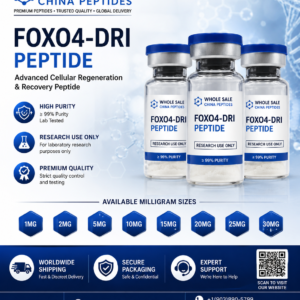
5. FOXO4-DRI – The Senolytic Peptide for Cellular Cleanup
Mechanism:
- Selectively kills senescent cells – Reduces “zombie cells” that accelerate aging.
- Activates p53 pathway – Promotes apoptosis of damaged cells.
- Enhances autophagy – Clears toxic protein aggregates.
Research Benefits:
✔ Reverses age-related tissue dysfunction (studies in progeria and aging mice).
✔ Improves kidney and liver function in aging models.
✔ Reduces inflammation (arthritis, atherosclerosis, and neurodegeneration).
Dosage (Research):
- 1–5 mg/kg (intraperitoneal or subcutaneous).
- Intermittent dosing (e.g., 2–3 times per week).
6. MOTS-c – The Mitochondrial & Metabolic Peptide
Mechanism:
- Enhances mitochondrial function – Improves ATP production and energy metabolism.
- Activates AMPK pathway – Promotes fat burning and glucose control.
- Reduces oxidative stress – Protects against metabolic aging.
Research Benefits:
✔ Extends lifespan (studies in mice and C. elegans).
✔ Improves insulin sensitivity (diabetes and obesity models).
✔ Enhances exercise performance (endurance and recovery models).
Dosage (Research):
- 0.5–5 mg/kg (subcutaneous or intraperitoneal).
- Daily for 4–12 weeks.
7. NAD+ Boosters (Nicotinamide Mononucleotide – NMN & Nicotinamide Riboside – NR)
Mechanism:
- Increases NAD+ levels – Supports DNA repair, sirtuin activation, and mitochondrial function.
- Activates longevity genes (SIRT1, SIRT3, SIRT6).
- Enhances cellular energy – Improves metabolic flexibility.
Research Benefits:
✔ Reverses age-related decline (studies in mice and human cells).
✔ Protects against neurodegeneration (Alzheimer’s, Parkinson’s models).
✔ Improves cardiovascular health (atherosclerosis and heart failure models).
Dosage (Research):
- 100–500 mg/kg (oral or intraperitoneal).
- Daily for 4–12 weeks.
How Anti-Aging Peptides Work: Key Mechanisms
1. Telomere Extension (Epithalon, TA-65)
- Activates telomerase to lengthen telomeres, preventing cellular senescence.
- Reduces DNA damage and genomic instability.
2. Senescence Clearance (FOXO4-DRI, Dasatinib + Quercetin)
- Selectively kills senescent cells, reducing inflammation and tissue dysfunction.
- Enhances autophagy to clear toxic protein aggregates.
3. Tissue Regeneration (TB-500, BPC-157, GHK-Cu)
- Stimulates stem cell migration and collagen production.
- Accelerates wound healing and reduces scar formation.
4. Mitochondrial Optimization (MOTS-c, NMN, NR)
- Boosts ATP production and reduces oxidative stress.
- Activates longevity genes (SIRT1, AMPK).
5. Inflammation Reduction (KPV, LL-37, Thymosin Alpha-1)
- Modulates cytokine production (TNF-α, IL-6, IL-1β).
- Balances immune responses to prevent chronic inflammation.
Anti-Aging Peptide Dosage Protocols for Research
| Peptide | Dosage Range | Administration Route | Frequency | Study Duration |
|---|---|---|---|---|
| Epithalon | 5–10 mg/kg | SC/IP | Daily | 10–30 days (cyclic) |
| Thymosin Beta-4 | 1–5 mg/kg | SC/IV | Daily/EOD | 4–8 weeks |
| GHK-Cu | 0.1–1 mg/mL (topical) or 1–10 mg/kg (systemic) | Topical/SC | Daily | 8–12 weeks |
| BPC-157 | 1–10 μg/kg | SC/Oral | Daily | 4–8 weeks |
| FOXO4-DRI | 1–5 mg/kg | IP/SC | 2–3x/week | 4–8 weeks |
| MOTS-c | 0.5–5 mg/kg | SC/IP | Daily | 4–12 weeks |
| NMN/NR | 100–500 mg/kg | Oral/IP | Daily | 4–12 weeks |
Potential Side Effects & Safety Considerations
While anti-aging peptides are generally well-tolerated, researchers should monitor for:
| Peptide | Possible Side Effects | Mitigation Strategy |
|---|---|---|
| Epithalon | Mild injection site irritation | Rotate injection sites |
| Thymosin Beta-4 | Transient fatigue | Reduce dose if severe |
| GHK-Cu | Skin irritation (topical) | Patch test before use |
| BPC-157 | Nausea (oral) | Administer with food |
| FOXO4-DRI | Mild immune modulation | Monitor cytokine levels |
| MOTS-c | Hypoglycemia (high doses) | Monitor blood glucose |
| NMN/NR | Flushing (high doses) | Start with low doses |
Long-Term Considerations:
⚠ Hormonal interactions (e.g., GHK-Cu may affect copper metabolism).
⚠ Immune modulation (e.g., Thymosin Alpha-1 may overstimulate immunity).
⚠ Metabolic effects (e.g., MOTS-c may alter glucose metabolism).
Where to Buy High-Quality Anti-Aging Peptides for Research
For researchers seeking pharmaceutical-grade anti-aging peptides, Wholesale China Peptides offers:
✅ ≥98% Purity (HPLC-verified)
✅ Lyophilized for long-term stability
✅ Batch-specific COAs (Certificate of Analysis)
✅ Bulk & wholesale pricing for institutions
✅ Secure, discreet shipping worldwide
Note: Anti-aging peptides are for research use only—not for human consumption, medical treatment, or performance enhancement.
Conclusion: The Future of Anti-Aging & Longevity Research
Anti-aging peptides represent a revolutionary approach to slowing, reversing, and even preventing the biological processes of aging. From telomere extension (Epithalon) to senescent cell clearance (FOXO4-DRI) and mitochondrial optimization (MOTS-c), these peptides offer multifaceted benefits for longevity research.
Key Takeaways for Researchers:
✔ Epithalon – Telomere extension & DNA repair.
✔ Thymosin Beta-4 – Tissue regeneration & wound healing.
✔ GHK-Cu – Skin rejuvenation & collagen production.
✔ BPC-157 – Gut & joint healing.
✔ FOXO4-DRI – Senescent cell clearance.
✔ MOTS-c – Mitochondrial & metabolic optimization.
✔ NMN/NR – NAD+ boosting & sirtuin activation.
For high-purity anti-aging peptides, visit Wholesale China Peptides.
Disclaimer: This article is for educational and research purposes only. Anti-aging peptides are not approved for human use and should only be used in IRB-approved laboratory settings.
Ready to Advance Your Longevity Research?
🔹 Explore Anti-Aging Peptides at Wholesale China Peptides
🔹 Request a COA before purchasing
🔹 Consult with a research advisor for proper protocols

GLP-1 & Metabolic Research Peptides
Uncategorized
Anti-Aging & Longevity Research Peptides

Anti-Aging & Longevity Research Peptides
Anti-Aging & Longevity Research Peptides

Growth Hormone Secretagogues

Healing & Recovery Peptides
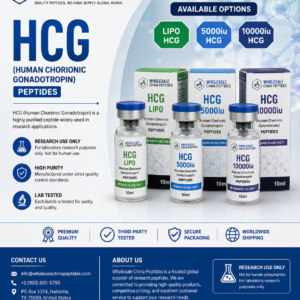
GLP-1 & Metabolic Research Peptides
Anti-Aging & Longevity Research Peptides
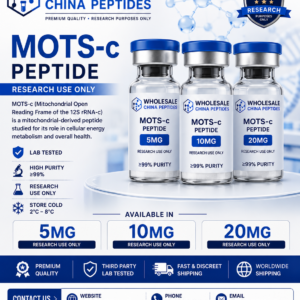
Anti-Aging & Longevity Research Peptides
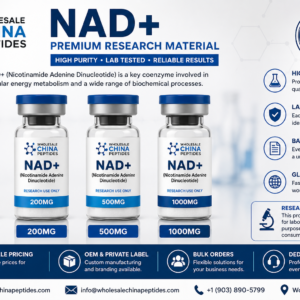
Anti-Aging & Longevity Research Peptides
Healing & Recovery Peptides
Anti-aging peptides represent a revolutionary approach to slowing, reversing, and even preventing the biological processes of aging. From telomere extension (Epithalon) to senescent cell clearance (FOXO4-DRI) and mitochondrial optimization (MOTS-c), these peptides offer multifaceted benefits for longevity research.